
Warforged 5e – D&D 5th Edition Race
These race details for Warforged 5e include everything you need to know for your game. I also have a list of other DnD reference info available for you on related topics.
Warforged make for an interesting race for pretty much any RPG campaign. They have a mechanical/ magical body, but a living being's soul contained within.
Race details for Warforged 5e come from Eberron: Rising from the Last War (which, by the way, could make for an excellent DnD Gift!).
"Pierce was built by design, while you were built by accident,” Lakashai said.
“The soul is what matters, what the shape of the vessel.”
“What makes you think he has a soul?” Gerrion said.
“What makes you think you do?”
-Keith Baker, The Shattered Land
Behold Scyaroth, Warforged Barbarian.
Warforged 5e Traits
Your warforged character has the following traits. A few of the traits give you a choice; consider how your choice reflects the purpose for which your character was built.
Ability Score Increase
Your Constitution score in creases by 2, and one other ability score of your choice increases by 1.
These stat increases may not seem incredibly significant, but they make for a terrific combination. Having the additional Constitution makes your warforged character more durable by providing additional hit points and increasing your Constitution Saving Throw.
Having an increased Constitution Saving Throw makes playing spell casting classes easier for warforged, at least so far as keeping us spell concentration goes, should you take damage.
Finally, warforged 5e provide an additional +1 to any other ability score of your choice. Obviously, you should put that point into whatever ability is most needed for your desired class. Though a +1 may not seem like a huge value, it does increase the number of classes you can realistically play by quite a bit.
Constructed Resilience
You were created to have remarkable fortitude, represented by the following benefits:
- You have advantage on saving throws against being poisoned, and you have resistance to poison damage.
- You don't need to eat, drink, or breathe.
- You are immune to disease.
- You don't need to sleep, and magic can't put you to sleep.
In my experience, most D&D groups don’t really track things like food, water, or even disease (unless it’s a sort of magical disease or curse, which is often central to the storyline). So, in my mind, the main benefits from “Constructed Resilience” are the other effects.
Having resistance and advantage against poisons and poison damage can be big in certain scenarios. Also, not being able to be put to sleep isn’t something you’ll benefit from very often, but it is extremely nice when you do get the benefit.
Overall, depending on your DM, I have to say that constructed resilience (along with the other perks to being a Warforged, which basically make it harder for you to die) can absolutely contribute to avoiding a DnD TPK.
Sentry's Rest
When you take a long rest, you must spend at least six hours in an inactive, motionless state, rather than sleeping. In this state, you appear inert, but it doesn't render you unconscious, and you can see and hear as normal.
Since warforged 5e don’t lose consciousness while taking long rests, you basically get the Alarm 5e spell going at all times, for free.
It should be just about impossible for anyone to ever sneak up on an adventuring party at night, with a warforged in the group. Short of someone casting a spell like invisibility or at least Silence 5e, the warforged should be able to notice anyone approaching.
Integrated Protection
Your body has built-in defensive layers, which can be enhanced with armor:
- You gain a +l bonus to Armor Class.
- You can don only armor with which you have proficiency. To don armor, you must incorporate it into your body over the course of 1 hour, during which you remain in contact with the armor. To doff armor, you must spend 1 hour removing it. You can rest while donning or doffing armor in this way.
- While you live, your armor can't be removed from your body against your will.
Having a flat +1 bonus to AC is really valuable, no matter what character class you’re playing as a warforged. If you want to fight on the frontlines, that +1 AC keeps you alive. Meanwhile, if you want to cast spells from the back lines, that +1 AC further aids you with Constitution saves whenever you’re casting concentration spells.
Otherwise, I’d say that the 1-hour requirement to don or doff armor isn’t really a big deal – in probably 99% of cases. Additionally, since shields do not count as “armor” in D&D 5e, it doesn’t really matter that your armor can’t be removed against your will.


Best Classes for Warforged 5e
Realistically, because warforged get a +2 to Constitution, another +1 to any ability score of their choice, a flat +1 to AC, and proficiency in an additional skill of their choice, they can play as any class. Warforged 5e are a durable and flexible race.
That being said, there are some classes where warforged 5e truly excel. Here's the facts for Warforged class combinations, which can probably help you with some great DnD character ideas as well!
Warforged Artificer
The primary stat for Artificers is Intelligence, so make sure that you spend your extra +1 ability point there. Otherwise, Artificer offers so many different ways to play that you can certainly make a warforged artificer work.
Even between the artificer specialists of alchemist, artillerist, and battle smith, I wouldn’t say that any of the three stand out terribly, as a warforged.
If you choose Battle Smith though, you will get a “Steel Defender,” which can help to soak up some damage (not that you need it, already having +2 Constitution and +1 AC). Plus every 6th-level artificer also gets a “Homunculus,” so especially counting allied creatures, warforged artificers can be quite a lot to deal with.
Thematically, a warforged 5e artificer fits in perfectly. Since warforged need to visit an artificer to change their appearance anyways, you’ve got everything you need within your own tool kit. Artificer’s are natural tinkerers, and can imbue magic into items, which is basically exactly what you are as a warforged (one large, magical item).
Warforged 5e Barbarian
A warforged barbarian is basically a menace to everyone who stands against them. With your extra hit points from your +2 Constitution, bonus +1 that you can put towards Strength, and natural +1 AC, the warforged barbarian is super tough and deadly.
As a Path of the Totem Warrior Barbarian, your warforged as a bear totem eventually gains the ability to give disadvantage on attack rolls to all enemies within 5-feet of you, who attack anyone but you.
Furthermore, while raging as a bear totem Barbarian, you also gain resistance to all damage types except for psychic.
Though all subclasses can work for warforged 5e, this combination is particularly brutal, as you’re already so hard to kill already. Then, you add damage resistance on top of that, and make it so that your allies are also harder to kill. Totally brutal.
Warforged Bard
A warforged bard may not maximize their advantages provided unless you put them right in the middle of the action, in combat. Since the bard’s most important ability is Charisma, you should use your +1 ability point for that purpose.
Otherwise, the bard’s “Bardic Inspiration” is basically their most valuable contribution to the party. If you have a high Charisma score as a bard, then you can use “Bardic Inspiration” more often, as a Bonus Action.
So long as you can stay in the middle of the fight, enemies should start to notice the value you bring with “Bardic Inspiration,” and then you can put your +2 Constitution and +1 AC to work.
Finally, the “College of Valor” Bard has the “Battle Magic” trait, which lets you make one weapon attack as a bonus action whenever you cast a bard spell. As a warforged who’s in the middle of combat, having that attack really makes the most out of your natural race traits.

Warforged Cleric
Clerics can take many roles in D&D, including some that fit Warforged play style quite nicely. In particular, you may take a look at the “War Domain” cleric, which provides very useful Channel Divinity effects, such as “Guided Strike.”
Guided Strike: Starting at 2nd level, you can use your Channel Divinity to strike with supernatural accuracy. When you make an attack roll, you can use your Channel Divinity to gain a +10 bonus to the roll. You make this choice after you see the roll, but before the DM says whether the attack hits or misses.
War Domain clerics provide options for the class to fight in close combat, which favor Warforged. Additionally, the extra Constitution from Warforged and +1 bonus to AC help create a somewhat tanky cleric character.
It’s also worth mentioning that in addition to providing additional HP at level-up, the bonus Constitution that Warforged receive also makes it easier for them to maintain concentration spells when taking damage. Since clerics have so, so many buff or debuff effects that they can use as concentration spells, the extra Constitution is a very nice bonus to have.
Just imagine casting cure wounds or bless 5e as a warforged who's so durable already that you basically can't die...
Warforged 5e Druid
There aren’t incredibly strong synergies between the Warforged 5e race and the druid class. Of course, every class benefits from having additional HP and AC, which Warforged naturally provides. However, the best case scenario for a Warforged 5e druid is to be in the middle of combat as probably a “Circle of the Moon” druid.
Circle of the Moon druids feature more physically powerful wild shape forms, providing the character with more healing options through “Combat Wild Shape,” higher CR wild shapes through “Circle Forms,” and even “Primal Strike” to overcome damage resistance.
Warforged Fighter
When it comes to D&D 5th edition, the Warforged Fighter has become a popular choice among players. The sentient constructs, forged for war, possess unique abilities that make them formidable on the battlefield, particularly in the role of fighters.
This is really a class where Warforged 5e truly excel.
A key strength of the Warforged Fighter is their versatility. With their proficiency in all martial weapons and their ability to choose from a wide range of fighting styles, Warforged Fighters can adapt to various combat situations.
Whether wielding a greatsword with unmatched strength or dual-wielding weapons with finesse, these mechanical warriors can excel in any combat role.
Furthermore, Warforged Fighters possess a unique ability called Integrated Protection. This feature allows them to embed armor into their bodies, granting additional protection without the need for external equipment. This not only enhances their durability but also frees them from the burden of carrying heavy armor, enabling them to move swiftly and strike with precision.
Combine the high Constitution and innate AC of a Warforged with the fighter’s ability to deal tremendous amounts of physical damage, and you can see why this combination is so powerful.
Warforged Fighter Playstyles
The Battle Master subclass is a popular choice for those seeking tactical prowess. With access to a variety of combat maneuvers, such as disarming foes or tripping them, Battle Masters excel at controlling the battlefield and providing strategic advantages to their allies.
Additionally, the Champion subclass is a straightforward yet reliable choice. With improved critical hit chances and increased durability, Champions become unstoppable forces on the battlefield. They are the epitome of a classic fighter, relying on sheer strength and resilience to overcome their foes.
Personally, I love the improved critical hit chance that a Champion provides. It’s so fun for to me, rolling lower numbers to deal huge damage. This subclass isn’t fancy, but it gets the job done.
Lastly, for those who prefer a more magical approach – not that you typically would, playing a Warforged – the Eldritch Knight subclass is an excellent option. This subclass combines martial prowess with arcane spellcasting, allowing Warforged Fighters to cast spells and enhance their combat abilities.
With access to spells like Shield and Absorb Elements, Eldritch Knights can bolster their defenses and adapt to different damage types, weakness, resistances, and immunities. This could be a fun subclass to roleplay, though I have to say that it would likely not be as “strong” in combat as the other subclass options.
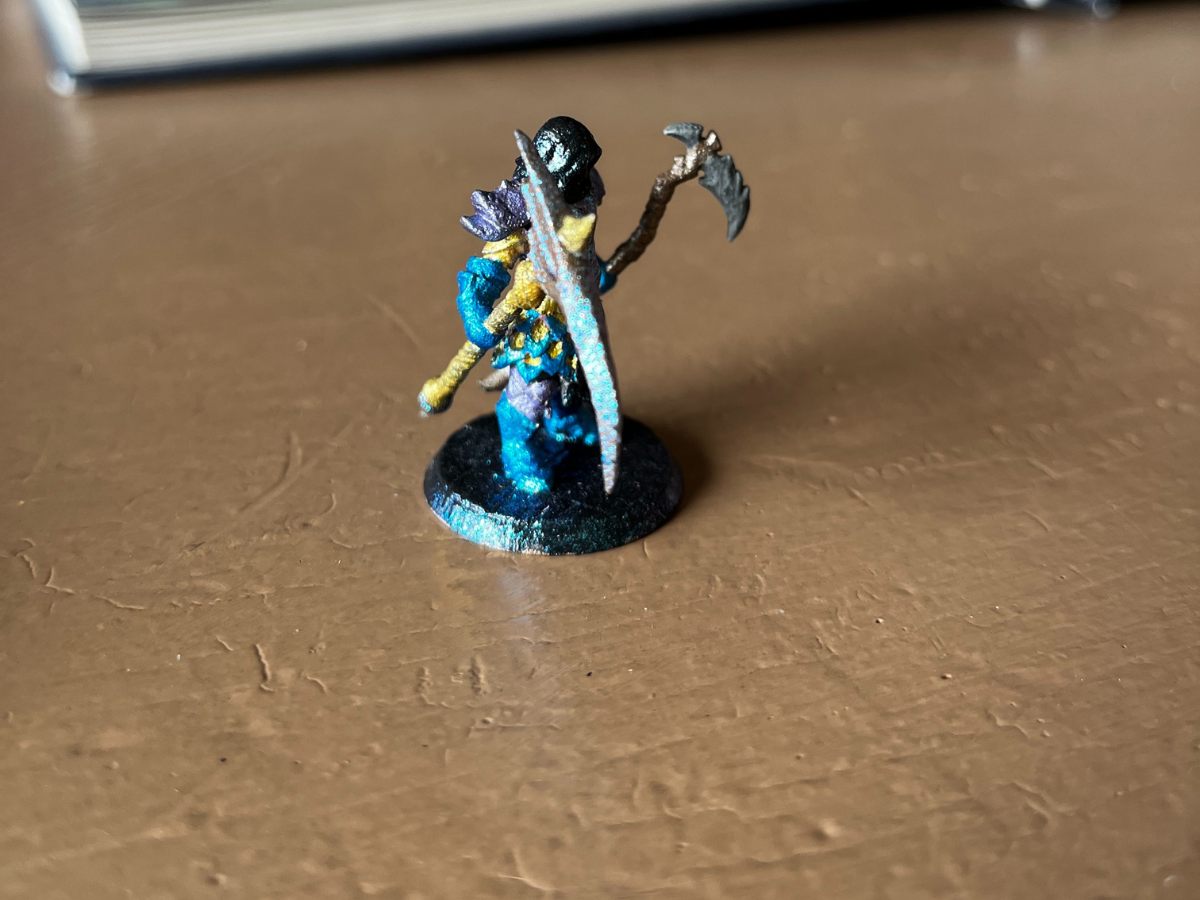
Haru here is actually a human nether knight, but his armor and weapons make him look like a perfect Warforged - just for some inspiration for you!
Warforged Monk
Warforged 5e monks have become a popular choice among players in Dungeons and Dragons. These unique characters combine the mechanical prowess of the warforged race with the disciplined combat techniques of a monk.
Warforged, as a race, possess several inherent advantages that make them formidable monks. Their integrated armor grants them additional AC, providing excellent protection in combat. Additionally, their composite plating ability allows them to add their proficiency bonus to Strength (Athletics) checks, making them highly skilled in grappling and other physical maneuvers.
Moreover, Warforged monks benefit from their racial traits, such as the ability to resist poison and disease. This resilience can be crucial in battles where such afflictions are prevalent.
So, what makes a Warforged monk good? In short, it’s their combination of high AC, proficiency in various Skill checks, and resistance to poison and disease make them durable and versatile combatants.
Additionally, their racial traits synergize well with the monk's core features, such as Unarmored Defense and Martial Arts. This combination allows Warforged monks to excel in close-quarters combat, delivering powerful strikes while remaining agile and protected.
Warforged Monk Playstyles
Now, let's discuss the choice of subclass for a Warforged 5e monk. The subclass you choose will greatly influence your playstyle and abilities. Here are three popular options:
- Way of the Open Hand: this subclass focuses on unarmed combat and control. It offers abilities such as Open Hand Technique, which allows you to knock opponents prone or push them away with your strikes. The Quivering Palm feature is particularly potent, as it can deliver a lethal strike to your foes.
- Way of the Four Elements: this subclass taps into the elemental forces, granting you access to a variety of elemental disciplines. You can unleash powerful fireballs, summon walls of ice, or even control the flow of water. This subclass adds an extra layer of versatility to your Warforged monk.
- Way of the Shadow: this subclass emphasizes stealth and deception. It grants you abilities like Shadow Step, allowing you to teleport through shadows, and Cloak of Shadows, which grants you temporary invisibility. If you prefer a more subtle and mysterious approach, this subclass is an excellent choice.
Warforged 5e Paladin
In the vast world of Dungeons & Dragons, the Warforged 5e Paladin is a unique and formidable character choice. Also, for some reason that I have a little difficulty explaining, it’s actually a pretty common choice among players.
Note that Warforged in general aren’t played a whole lot, so I don’t mean to dissuade you from playing a Warforged 5e paladin if that’s what you really want. I just mean to point out that a number of players seem to enjoy playing a mechanical paladin.
First and foremost, as with every class that Warforged touch, Warforged Paladins possess exceptional durability and resilience. Their sturdy construction grants them a natural armor, making them a formidable force on the battlefield.
Additionally, their integrated protection ability allows them to enhance their armor class further, making them incredibly difficult to hit. This innate toughness makes them excellent front-line combatants, capable of absorbing blows and protecting their allies, which one could argue, is one of the paladin’s primary roles.
Furthermore, the Warforged's unique composition grants them several other advantages. They don't require food, water, or sleep, allowing them to remain vigilant and ready for battle at all times – another often-forgot value that Warforged bring to the table.
The Warforged’s ability to withstand extreme environments makes them ideal for adventuring in harsh terrains, as they hunt down and obliterate evil. Moreover, they have advantage on saving throws against being poisoned and resistance to poison damage, making them highly resilient against certain types of attacks, which they may often face in undead enemies, or when battling dark wizards.
Warforged Paladin Playstyles
When it comes to choosing a subclass for your Warforged Paladin, there are several excellent options to consider.
The Oath of Devotion is a classic choice, emphasizing the Paladin's commitment to justice, truth, and protecting the innocent. This subclass grants powerful abilities such as Sacred Weapon, which enhances the Paladin's attacks, and Aura of Devotion, which provides immunity to charm effects for themselves and nearby allies.
Alternatively, the Oath of Vengeance offers a more aggressive playstyle. This subclass focuses on hunting down and eliminating enemies of the Paladin's cause. Abilities such as Vow of Enmity, which grants advantage on attacks against a specific target, and Relentless Avenger, which allows the Paladin to pursue foes who try to escape, make the Oath of Vengeance an excellent choice for those seeking a relentless and determined warrior.
Lastly, the Oath of the Ancients is an intriguing option for Warforged Paladins who wish to embrace their connection to nature. This subclass emphasizes protecting the natural world and radiates an aura of resilience and hope.
With abilities like Nature's Wrath, which ensnares enemies in difficult terrain, and Elder Champion, which grants resistance to damage and increased spellcasting, the Oath of the Ancients offers a unique and versatile playstyle.

Warforged Ranger
Warforged 5e Rangers have become a popular choice among players in Dungeons and Dragons.
These unique characters bring a blend of mechanical precision and natural prowess to the battlefield. But are they really good? And what sets them apart from other ranger options?
Their inherent traits, such as their high Constitution and proficiency with medium armor, make them durable and capable of withstanding heavy damage. Additionally, their unique ability to integrate magical items into their bodies allows them to enhance their combat abilities even further.
This means that a Warforged Ranger can be a force to be reckoned with, both in close-quarters combat and from a distance. One of the key factors that make Warforged Rangers stand out is their versatility.
Rangers are known for their affinity with nature and their ability to adapt to various environments. With their mechanical nature, Warforged Rangers can easily blend into any setting, whether it be a dense forest or an urban cityscape. This adaptability makes them excellent scouts and trackers, as they can navigate and survive in any terrain.
Furthermore, Warforged 5e Rangers have access to unique features that set them apart from other races. Their Integrated Protection ability allows them to add their proficiency bonus to their armor class, making them even more resilient in combat. Additionally, their Living Construct trait grants them immunity to disease and resistance to poison, further enhancing their survivability.
Warforged Ranger Playstyles
When choosing a Warforged 5e Ranger, it is important to consider your playstyle and the role you want to fulfill within your adventuring party.
If you enjoy being on the front lines, dealing damage up close, the Hunter archetype might be a good fit for you. This archetype focuses on dealing maximum damage to enemies, making use of abilities such as Colossus Slayer and Multiattack Defense.
On the other hand, if you prefer a more supportive role, the Beast Master archetype might be a better choice. This archetype allows you to form a bond with a companion, such as a wolf or a bear, and fight alongside them. This can provide additional utility and versatility to your party, as your animal companion can assist in combat or help with tracking and scouting.
Warforged 5e Rogue
One intriguing class choice for Warforged 5e is the rogue. But firstly, let's address the question of whether Warforged rogues are good.
The answer is a resounding yes. Warforged, with their unique mechanical composition and built-in enhancements, bring a range of advantages to the rogue class. Their natural armor plating grants them a higher base AC, making them more durable in combat compared to other rogues. This increased survivability can be a game-changer, especially when you find yourself in the thick of battle.
Additionally, Warforged have the Integrated Protection feature, allowing them to integrate armor or weapons directly into their bodies. This feature not only saves on carrying capacity but also grants the Warforged rogue the ability to surprise opponents by concealing weapons or armor until the perfect moment. This can be a significant advantage in both combat and stealth-based scenarios.
What truly sets a Warforged rogue apart, however, is their unique race traits. Warforged are immune to disease, do not require food, water, or sleep, and have advantage on saving throws against being poisoned. These traits can be incredibly useful for a rogue, allowing them to explore dangerous environments, go on extended missions, and remain alert at all times.
Furthermore, their Warforged Resilience feature grants them proficiency in Constitution saving throws, making them more resilient against harmful effects.
Warforged Rogue Playstyles
Now that we've established the strengths of a Warforged rogue, let's discuss what you should consider when choosing this subclass.
If you enjoy being in the thick of combat, a Warforged rogue's increased durability and armor proficiency will suit you well as an Assassination rogue.
On the other hand, if you prefer a stealthy approach, the ability to integrate weapons and armor seamlessly into your body can provide the element of surprise as a Thief, or perhaps – in some rare cases – even an Arcane Trickster rogue.
Consider your character's backstory as well. Warforged are constructs created for war, so think about how this background can shape your rogue's personality and motivations. Are they a relic from a bygone conflict seeking purpose in the world?
The bottom line though, is that if you're looking for a unique and powerful class for your Warforged, don’t hesitate to try out the rogue.
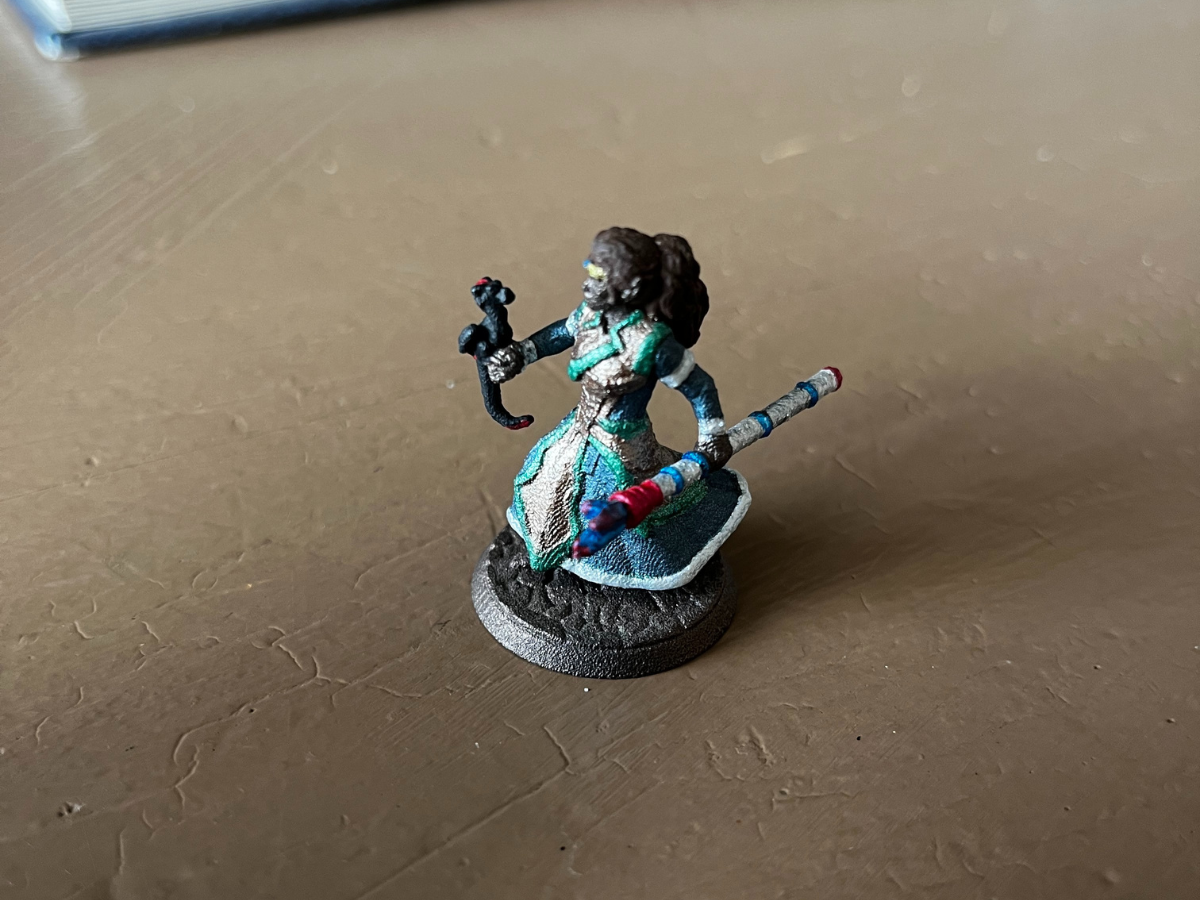
Back when HeroForge made steel custom minis, my wife and I purchased a few of them for our campaigns. Steel minis naturally have a great Warforged look about them.
Warforged Sorcerer
Another unique combination that has caught the attention of many adventurers is the Warforged 5e Sorcerer. This mechanical being infused with arcane powers brings a fresh and intriguing twist to the battlefield. As always, first and foremost, the question arises: are Warforged 5e Sorcerers good? The answer is a resounding... maybe!
The Warforged race itself brings a host of advantages to the table. Built for war, these sentient constructs of course possess natural armor that provides them with additional AC, and of course the extra Constitution gives them more HP and better concentration saves, making them incredibly durable.
Sorcerers, themselves, are always amazing. They have access to a wide range of spells, including damaging spells like Fireball or utility spells like Invisibility, allowing them to adapt to various situations, which is useful when playing a race that – yes, it’s true – doesn’t 100% fit the class to a tee.
Of course, the Sorcerer does provide Ability Score Improvements of your choice at 4th, 8th, 12th, 16th, and 19th levels, allowing even a Warforged to gain the necessary Charisma to become a powerful Sorcerer. This isn’t to say, basically, that a Warforged is a great fit for the sorcerer class, but rather that the sorcerer is basically a decent fit for just about any race.
Warforged Sorcerer Playstyles
When it comes to your subclass, I’d recommend taking a look at the Draconic Bloodline build, for both unique features and interesting roleplaying. Imagine, if you will, a sorcerer with a “bloodline,” when your race is actually... mechanical? Interesting thoughts, for sure.
But! The Draconic Bloodline sorcerer gains “Draconic Resilience,” giving you a base AC of 13+ your Dexterity modifier when you aren’t wearing armor, which stacks with your racial +1AC bonus.
Also, at 14th level you gain a pair of dragon wings, which sprout from your back. So, that’s obviously way cool.
Warforged Warlock
The sentient Warforged constructs, forged for war, possess a unique blend of mechanical prowess and, in a roleplaying sense, magical abilities. One intriguing class option for warforged is the warlock, offering a fascinating combination of mechanical resilience and eldritch power.
Are warforged warlocks good? Um, not necessarily, but they can be quite fun!
Warforged warlocks do have numerous advantages that make them formidable on the battlefield. Their inherent racial traits, such as their high Constitution and proficiency with armor, provide them with exceptional durability. This resilience allows them to withstand even the harshest of battles, making them a reliable front-line option for warlocks who choose the “Pact of the Blade,” or perhaps for those who choose “The Fiend” as their “Otherworldly Patron.”
Depending on your desired role, there are tons of invocations and spells available to warlocks that could conceivably complement your warlock playstyle. For example, if you want to be a tank, invocations like Armor of Shadows or Fiendish Vigor can boost your defenses, while spells like Armor of Agathys 5e can provide temporary hit points and damage reflection.
Also, if you cast spells like Hellish Rebuke 5e, with how defensive you already are as a Warlock, you can make it even less advantageous for enemies to attack you.
All of that being said, it isn’t like Warforged 5e get a bonus to Charisma, for warlock spell saves. The only real benefit that a Warforged gives to the warlock class is what they provide in the case of being any spell casting class – which is their bonus HP, concentration save from their high Constitution, and natural AC.
Warforged Wizard
With their unique abilities and versatility, Warforged can make for formidable wizards in your D&D game.
The Warforged’s high Constitution and Armor Class provide them with exceptional durability, making them difficult to take down in combat – which is really important for a wizard class, as the class itself is extremely fragile.
The innate resilience of a Warforged allows one who’s a wizard to focus on their magical abilities without worrying too much about their survivability. This, as you might imagine, is a big benefit.
Additionally, their integrated protection grants them proficiency with various armor types, further enhancing their survivability and versatility. Warforged also possess the Constructed Resilience trait, which grants them immunity to disease and resistance to poison damage.
Warforged 5e Wizard Playstyles
When it comes to choosing a subclass for a Warforged wizard, several options are available.
The School of Evocation is a popular choice, as it allows Warforged wizards to maximize their damage-dealing potential. With features like Empowered Evocation and Overchannel, they can unleash devastating spells that deal immense damage to their enemies.
This subclass is ideal for those who prefer a more offensive playstyle and enjoy obliterating foes with powerful magical abilities.
Alternatively, the School of Abjuration can be a great choice for Warforged wizards who want to focus on defense and protection. The Arcane Ward feature provides a protective barrier that absorbs damage, making the Warforged wizard even more resilient in combat. Or, consider having mage armor 5e on top of your natural Warforged AC bonus.
This subclass excels at protecting themselves and their allies, making them valuable assets in any adventuring party.
Lastly, the School of Transmutation offers Warforged wizards the ability to manipulate matter and transform objects and creatures. This subclass allows them to alter the properties of items, create temporary magical enhancements, and even transmute their own bodies.
With features like Transmuter's Stone and Shapechanger, Warforged wizards can adapt to various situations and overcome obstacles with ease.
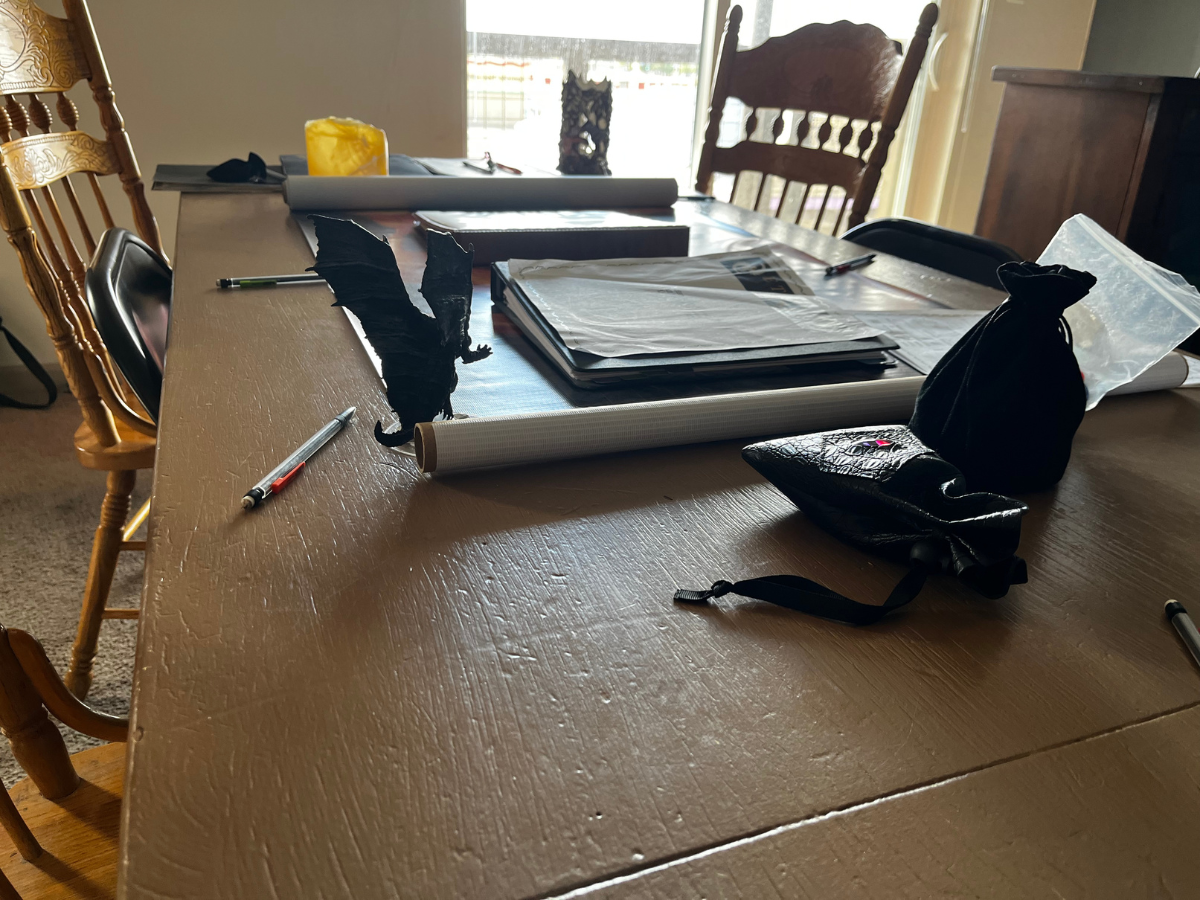
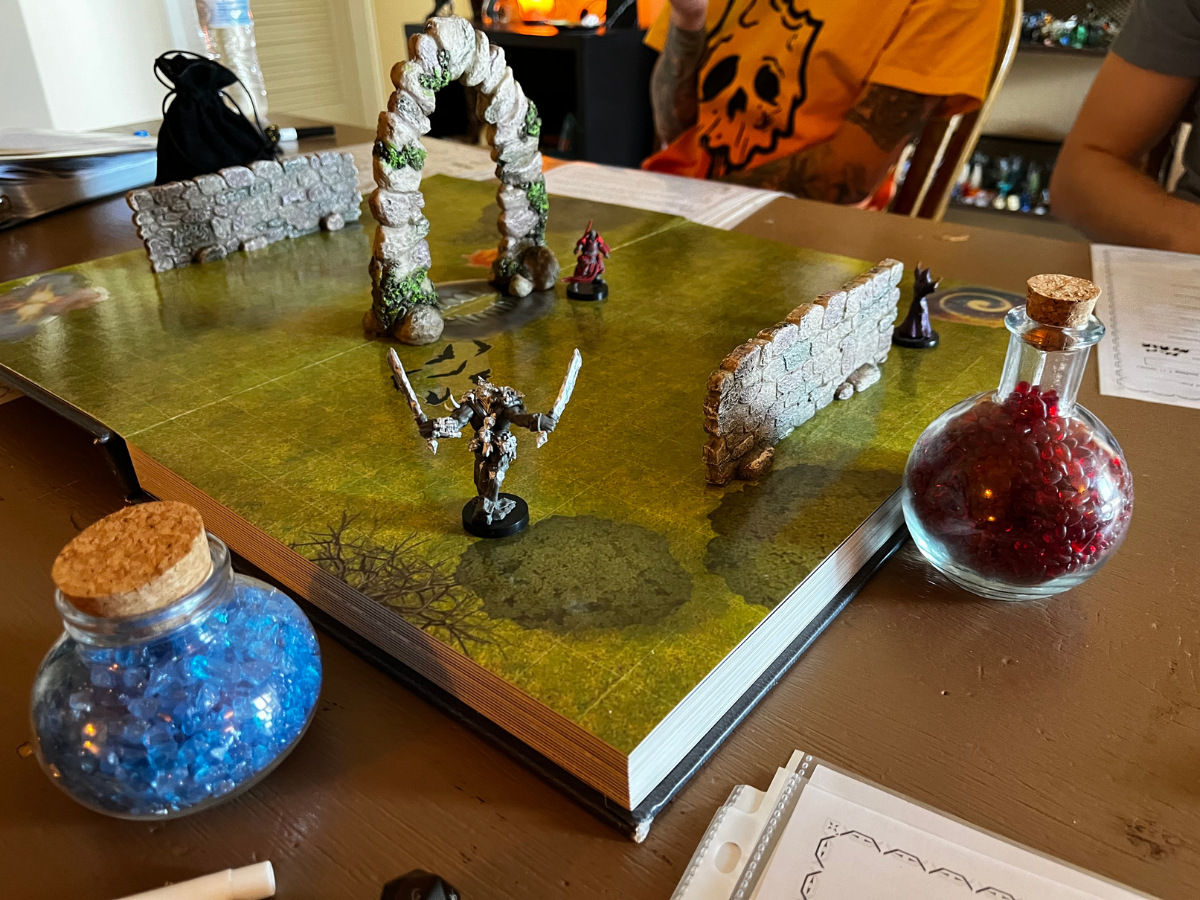
Our gaming table before a big adventure towards the end of one of our year-long campaigns.
Warforged 5e Size and Other Characteristics
Warforged size is Medium.
As basically the “default” size in D&D, being medium doesn’t change any stats or add modifiers for attacks, weapons, AC, or anything else.
Speed
Warforged base walking speed is 30 feet.
Similarly, a base walking speed of 30 feet is also sort of the “default” value in D&D 5e. This simply means that warforged 5e are not particularly fast, nor slow.
Alignment
Most warforged take comfort in order and discipline, tending toward law and neutrality. But some have absorbed the morality, or lack thereof, of the beings with which they served.
Oftentimes, you see characters like fighters play towards lawful neutral. I personally find alignment to only be much help when I’m first creating a character, as a sort of guiding light for how I want to roleplay.
However, alignment can be quite helpful for your game, so it’s worth thinking about. Of course, as an organic-machine character, you could certainly make the case to play about any alignment you’d like.
Warforged 5e Specialized Design
You gain one skill proficiency and one tool proficiency of your choice.
Though having an extra tool proficiency probably doesn’t matter much (or at all), having an extra skill proficiency is pretty handy.
Also, it just feels good in D&D when your character has proficiency with something. Whether or not that extra bonus to your roll makes a difference on an individual basis, knowing that the odds are in your favor is a major mental perk.
Age
A typical warforged is between two and thirty years old. The maximum warforged lifespan remains a mystery; so far, warforged have shown no signs of deterioration due to age. You are immune to magical aging effects.
Aging is another effect in D&D that most groups don’t pay much attention to. Unless you’re playing in a multi-year (or 40-year, plus) campaign, or your story is based around following a nation or group of people over decades of time, character age usually isn’t even a consideration.
Still, age can be a fun roleplaying component, and if you have something in mind for your warforged related to their age, this race leaves you with plenty of flexibility.
Languages
You can speak, read, and write Common and one other language of your choice.
Having the option for fluency in any other language of your choice is very nice. In my experience, language is probably the final part of a campaign that’s often overlooked.
Perhaps you’ll occasionally run across some cryptic script in another language, where fluency would help advance the story. However, aside from roleplaying, having access to multiple languages most often isn’t a useful part of gameplay.
Warforged 5e Lore
Need some DnD Quest Ideas or Campaign Ideas to go along with your new Warforged? Look no further.
The warforged were built to fight in the Last War. While the first warforged were mindless automatons, House Cannith devoted vast resources to improving these steel soldiers. An unexpected breakthrough produced sapient soldiers, giving rise to what some have only grudgingly accepted as a new species. Warforged are made from wood and metal, but they can feel pain and emotion. Built as weapons, they must now find a purpose beyond war. A warforged can be a steadfast ally, a cold-hearted killer, or a visionary in search of meaning.
Living Steel and Stone
Warforged are formed from a blend of organic and inorganic materials. Root-like cords infused with alchemical fluids serve as their muscles, wrapped around a framework of steel, darkwood, or stone. Armored plates form a protective outer shell and reinforce joints. Warforged share a common facial design, with a hinged jaw and crystal eyes embedded beneath a reinforced brow ridge. Beyond these common elements of warforged design, the precise materials and build of a warforged vary based on the purpose for which it was designed.
Although they were manufactured, warforged are living humanoids. Resting, healing magic, and the Medicine skill all provide the same benefits to warforged that they do to other humanoids.
Warforged Personality
The warforged were built to serve and to fight. For most of their existence, warforged had a clearly defined function and were encouraged to focus purely on that role. The Treaty of Thronehold gave them freedom, but many still struggle both to find a place in the post-war world and to relate to the creatures who created them.
The typical warforged shows little emotion. Many warforged embrace a concrete purpose-such as protecting allies, completing a contract, or exploring a land-and embrace this task as they once did war. However, there are warforged who delight in exploring their feelings, their freedom, and their relationships with others. Most warforged have no interest in religion, but some embrace faith and mysticism, seeking higher purpose and deeper meaning.
The typical warforged has a sexless body shape.
Some warforged ignore the concept of gender entirely, while others adopt a gender identity.
The more a warforged develops its individuality, the more likely it is to modify its body, seeking out an artificer to customize the look of its face, limbs, and plating.
Warforged 5e Quirks
Warforged often display an odd personality trait or two, given how new they are to the world. The Warforged Quirks table contains example quirks.
Roll 1d8:
- You analyze-out loud-the potential threat posed by every creature you meet.
- You often misread emotional cues.
- You are fiercely protective of your friends.
- You try to apply wartime discipline to every situation.
- You don't know how to filter your feelings and are prone to dramatic emotional outbursts.
- You don't understand clothing beyond its utility and assume it denotes a person's function.
- You are obsessed with your appearance and constantly polish and buff yourself.
- War is the only thing that makes sense to you, and you're always looking for a fight.
Warforged Names
Most warforged were assigned numerical designations for use in military service. Many of them adopted nicknames, often given to them by their comrades. As independent individuals, some have chosen new names as a way to express their path in life. A few take on human names, often the name of a fallen friend or mentor.
Warforged Names: Anchor, Banner, Bastion, Blade, Blue, Bow, Cart, Church, Crunch, Crystal, Dagger, Dent, Five, Glaive, Hammer, Iron, Lucky, Mace, Oak, Onyx, Pants, Pierce, Red, Rod, Rusty, Scout, Seven, Shield, Slash, Smith, Spike, Temple, Vault, Wall.
Warforged in Games Like D&D
As you no doubt already know, there are many games like DnD out there. With all the drama that's happened with Wizards of the Coast, and with D&D's shift to a more digital platform (and higher prices), many people have been looking for other TTRPGs to try out.
Eternity TTRPG has our own tabletop RPG that we've independently published.
Check out the PDF download here, and let us know what you think!
Dice, Dungeons, Games & More - Eternity TTRPG
Share This Article

Author - Jacob Tegtman
Dear reader, I hope you enjoyed this article. Tabletop gaming has been a passion of mine since I was 6 years old. I've played just about every game from Dungeons and Dragons to video games like Final Fantasy. These games have inspired me, made me laugh, made me cry, and brought me endless hours of enjoyment.
I started Eternity TTRPG - and the indie tabletop game that goes along with it (Eternity Shop) - to share my love of gaming with others. I believe that in our technology-driven age, tabletop games help bring a sense of magic and community back into our world.
If you love the site, please share it with others! I have lots of gaming-related material for you to peruse and use in your own gaming sessions. If you have any questions about the site or want to contribute, just send me a message using the "Contact" page, which you can find in the site's footer.